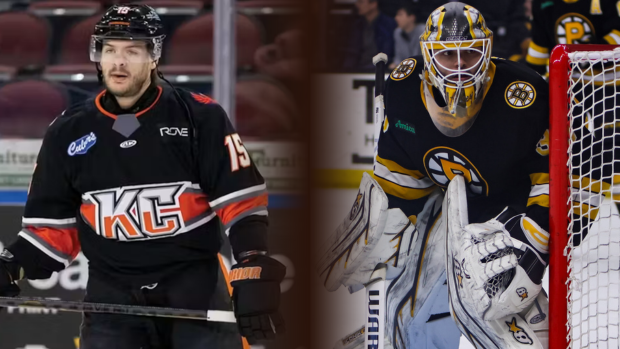
If you’re on a two-way contract, were cut by an NHL team and assigned to an NHL taxi squad, you hit the jackpot. Or at least you’re going to be paid 100 percent of your minor league salary. But if you’re on a two-way contract and were assigned to the AHL, well, you’re plumb out of luck.
Because not only won’t you receive so much as a penny leading up to the start of a severely truncated season set to begin on Feb. 5, once the AHL does get underway there is no telling what you will be paid on a prorated contract. There is no current agreement in force between the PHPA (Professional Hockey Players’ Association) and the league’s governing bodies.
Three teams have opted out of 2020-21, leaving 28 clubs to play the season. The schedule will differ by division. Some teams will play as few as 24 games. Others may play as many as 42. Most two-way contracts mandate salaries in the range of $70,000.
You do the math. If players’ pay is strictly prorated, a player on a 24-game team making $70,000 would earn the grand total of $20,487 — before taxes. Players on teams on 42-game schedules would then earn a pre-tax $35,853 that they’d shouldn’t spend in one place.
Come on, man.
And in addition, these players have not been paid since receiving their final 2019-20 paychecks in the middle of April. That’s nine months. It may be nobody’s fault, but there is a crisis consuming the bedrock of the NHL’s development and it is crushing a wave of prospects.
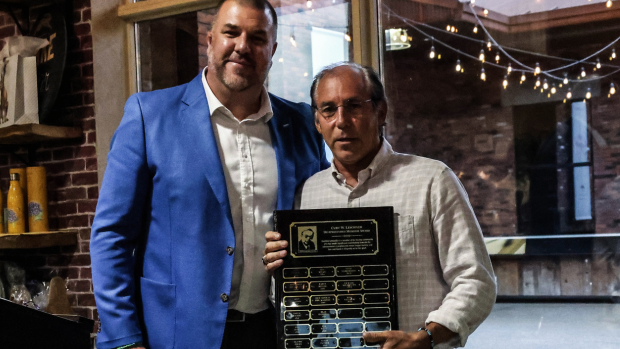
“There is no one to blame, but I would hope the NHL and NHLPA would recognize the dire financial and mental situation so many of the AHL players are in at this point,” Larry Landon, the PHPA executive director, told Slap Shots on Saturday. “These players are maxed out on their credit lines, they have piled up debts since the end of last season and they are fearful of what awaits them.
“Our players are filled with anguish and anxiety. Our office has received numerous calls from players and their wives, crying about what is an unpalatable situation. Players may not be able to afford rent. They can’t get four-month leases on apartments. They’re eating fast food. Is this what anyone wants?
“And this is happening in the midst of the pandemic,” Landon said. “We’re going to have situations where we’re going to have four-to-six players in a two bedroom apartment, which increases the risk of them getting COVID.
“That’s not healthy. That’s unsafe. There’s a legitimate fear attached to this. We’re putting these players at risk.”
Landon quoted a figure of $8 million that would make all the difference in the world for the athletes who, as he correctly put it, “are the next wave.”
“The AHL is the best development league in the world,” Landon said. “Ninety-one percent of the NHL comes out of the AHL. These players are the NHL’s future. And they need help.”
Again. The AHL is three weeks out from its start date and no one knows how much anyone will be paid. What everyone does know, however, is that it won’t be nearly enough. We’re not talking about gifting these kids with millions so they can flaunt their luxury items while building social media brands. No. We are talking about providing the semblance of a living wage to these young men so they can support themselves and their families while pursuing their dream.
“We are three weeks out and I have to tell the players and wives who call into the office that we still have more questions than answers,” said Landon, his voice infused with emotion. “That’s been our vocabulary for six months. It’s not right.
“Players are going to opt out. They won’t be able to afford to play under these circumstances. They won’t want to put their health in jeopardy. That means the NHL is going to lose prospects. This is not constructive for anyone.
“The players should be healthy and happy, not struggling to make ends meet. I understand economic realities in conjunction with the NHL and the trickle-down to the NHLPA, but we need help,” Landon said. “The players want to play. That’s not the issue. But the situation they’re facing is not palatable.
“We’re in a terrible situation. We need help. We’re not just asking for it. We’re begging.”